

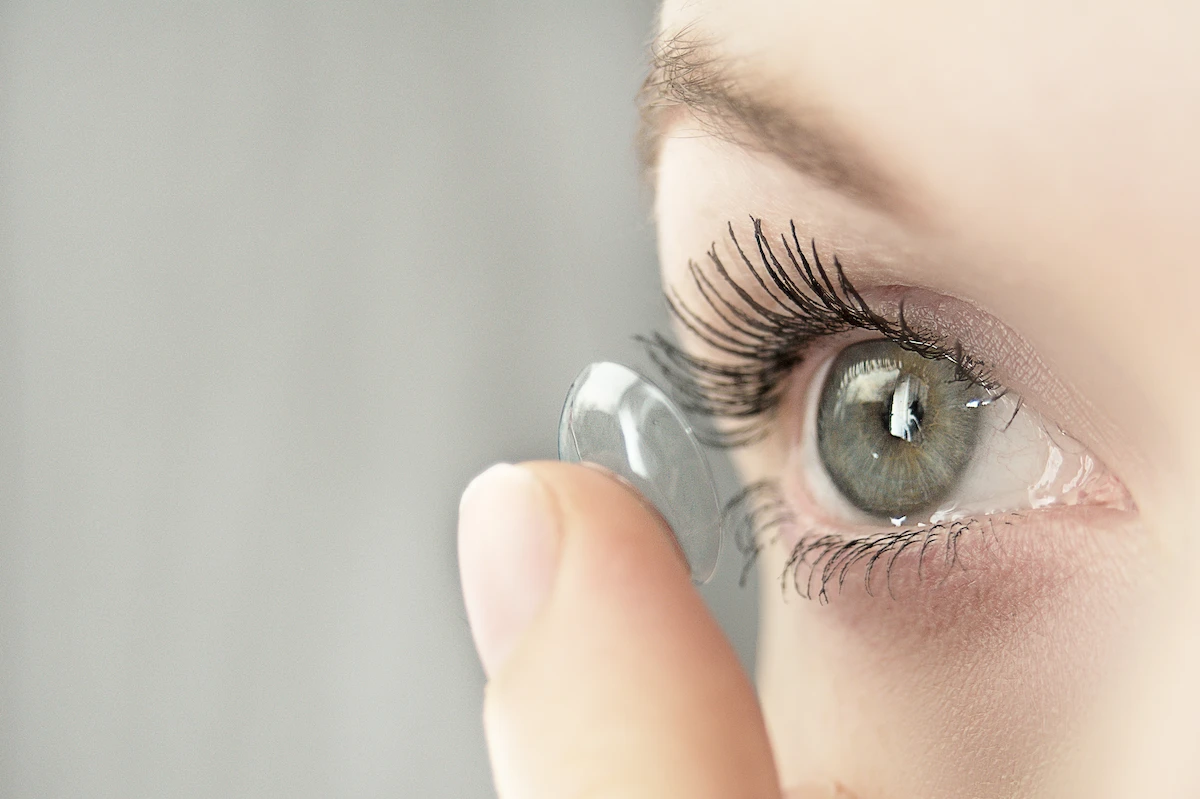
If traditional contact lenses feel uncomfortable or do not provide the clear vision you need, scleral lenses may be worth considering. These specialty contact lenses are larger-diameter rigid lenses that rest on the white part of the eye rather than directly on the cornea.
Because scleral lenses vault over the cornea and hold a layer of fluid against the eye, they can offer stable vision and lasting comfort for people with certain eye conditions or challenging prescriptions.
What are scleral lenses used for?
Scleral lenses are often used when standard soft or rigid contact lenses are not a comfortable or effective fit. Their design creates a smooth optical surface over the front of the eye, which can improve vision while protecting sensitive corneal tissue.
Scleral lenses may be an option for people with:
- Keratoconus or other irregular corneal shapes
- Severe dry eye symptoms
- Corneal scarring or eye-surface disease
- Vision that remains blurry with standard contact lenses
- Discomfort with conventional contact lens materials or fits
They are custom-fit, so the lens shape, size, and prescription are tailored to your eyes. This individualized approach can be especially helpful when vision is affected by an irregular cornea or when standard lenses move too much during the day.
Can scleral lenses help with contact lens discomfort?
They can. Unlike smaller lenses that sit on the cornea, scleral lenses rest on the less sensitive sclera and maintain a liquid reservoir between the lens and the eye. That cushion can reduce friction and help keep the eye surface hydrated during wear.
However, discomfort is not always a sign that scleral lenses are needed. Dryness, allergies, lens deposits, an outdated prescription, or wearing lenses longer than recommended can all affect how contacts feel. Persistent irritation, burning, or redness can be signs that your current lenses or routine need attention, especially when you are experiencing discomfort with contact lenses.
Are scleral lenses right for blurry vision?
Scleral lenses can provide sharper, more stable vision for some people with irregular corneas because they create a smooth refractive surface over the eye. They may also help when vision fluctuates throughout the day due to dryness.
Still, blurry contact lens vision has several possible causes. A changing prescription, dry eye, lens deposits, poor lens fit, or an eye-health concern can all play a role. When vision is blurry with contacts, an exam can help determine whether scleral lenses or a simpler adjustment is the better solution.
What happens during a scleral lens exam?
A contact lens exam evaluates more than your glasses prescription. Your eye doctor assesses your eye health, corneal shape, vision needs, and current lens comfort to determine which type of contact lens may work best.
If scleral lenses are appropriate, the fitting process may include detailed corneal measurements and follow-up visits to fine-tune the fit, vision, and comfort. You will also receive guidance on inserting, removing, cleaning, and storing your lenses safely.
Find the right contact lens fit for your eyes
Scleral lenses can be an effective option for people who need more comfort, clearer vision, or a more customized contact lens solution. The best lens for you depends on your eye health, lifestyle, prescription, and the reason standard contacts are not meeting your needs.
Schedule a contact lens exam to find out whether scleral lenses may be right for you.




