

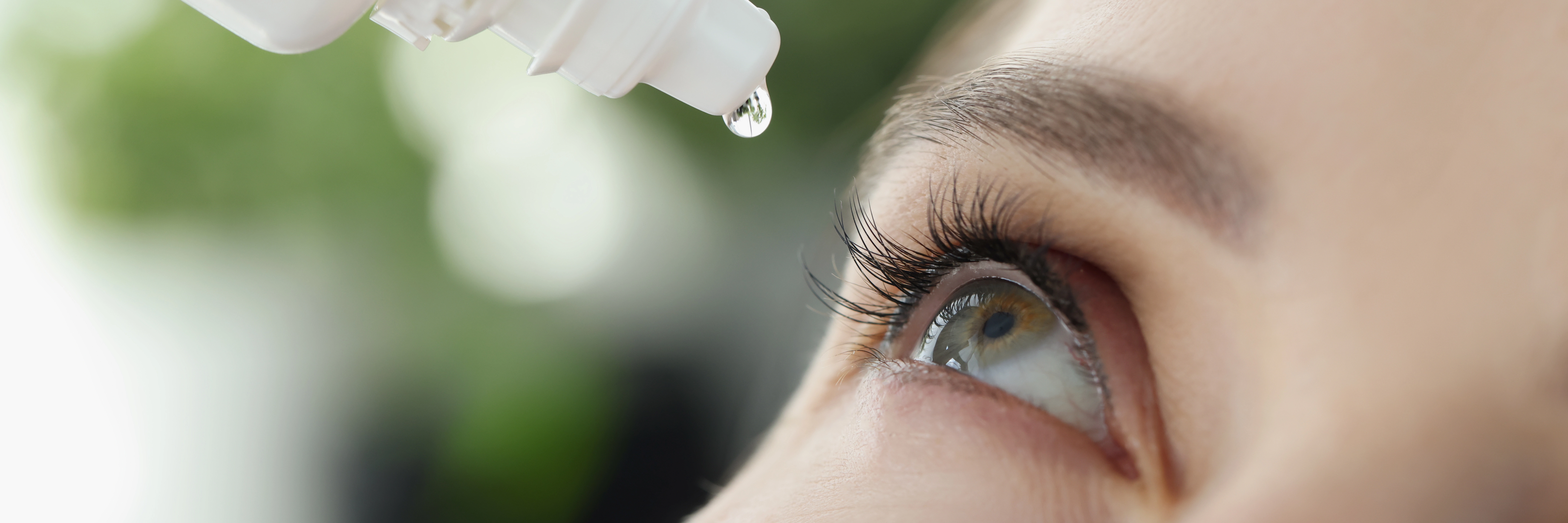
If dry eye has been interrupting your day, you may be hoping for relief that doesn’t require keeping bottles of drops in every purse, car cupholder, and desk drawer. The encouraging part is that everyday habits and targeted treatments can reduce dryness at the source, so your eyes feel calmer and more comfortable for the long haul.
Why your eyes may feel dry even if you’re “doing everything right”
Dry eye symptoms aren’t always about “not making enough tears.” Often, the tear film is unstable, especially if the oil layer (made by the meibomian glands in your eyelids) isn’t doing its job. That oil layer helps keep tears from evaporating too quickly.
Common triggers we see include:
- Long hours on computers or phones
- Heated or air-conditioned air that dries the tear film
- Contact lens wear that increases evaporation
- Eyelid inflammation or clogged oil glands
- Seasonal allergies that irritate the ocular surface
- Certain medications or hormonal changes
Daily habits to soothe dry eyes
These small changes add up quickly, especially if you stick with them consistently.
- Blink breaks for screens: Try 20 seconds of slow blinking every 20 minutes. Full blinks matter; partial blinks leave oil glands underused.
- Warm compress routine: A warm compress for 8–10 minutes helps soften thickened oils in the eyelids.
- Lid hygiene: Cleaning along the lash line can reduce debris and inflammation that disrupts the tear film.
- Adjust your airflow: Avoid vents blasting your face in the car or at your desk. A small humidifier near your workspace can help.
- Hydration + nutrition: Water supports overall tear production. Omega-3s may support gland function for some people1.
- Sun + wind protection: Wraparound sunglasses reduce evaporation outdoors, especially on breezy days.
Simple tweaks for contact lens wearers (and why lens choice matters)
If you wear contacts, dryness can feel like a daily negotiation. Lens material, fit, and replacement schedule can all influence comfort.
Helpful strategies include:
- Shorten wear time on high-screen days
- Switch to daily disposables if you’re in a monthly lens and getting buildup
- Check your fit. A lens that doesn’t move correctly can irritate the surface
- Ask about specialty contact lenses designed to protect the ocular surface or maintain a more stable tear environment
A quick note for parents: myopia management and dry eye can overlap
If your child is in a myopia management program or wearing contacts, it’s smart to bring up dryness early. Comfort matters, and there are options (including lens choices and routines) that support healthier eyes while still focusing on long-term vision goals.
Relief you can feel with real results
If home strategies help a little, but symptoms keep coming back, it’s worth getting a true dry eye evaluation. Dryness can look similar across people, but the cause can be very different—evaporation, inflammation, lid gland dysfunction, allergy, or a combination. The most effective way to get lasting relief without leaning on drops is to identify why your tear film is failing, then build a routine and treatment plan that supports your eyes every day.
Schedule an appointment at Peachtree Corners Eye Clinic in Peachtree Corners to evaluate your dry eye symptoms and discuss options—from at-home routines to in-office treatments and specialty contact lenses.